
At Children of the Rainbow, we firmly believe in the power of play. Play-based learning has been proven to enhance cognitive, emotional, and social development in young children.
Here’s why play is such an important part of early education:
- Cognitive Development: Through activities like building blocks, puzzles, and pretend play, children develop essential problem-solving and critical thinking skills.
- Social Skills: Group play encourages cooperation, sharing, and empathy. It helps children learn to navigate relationships and work as part of a team.
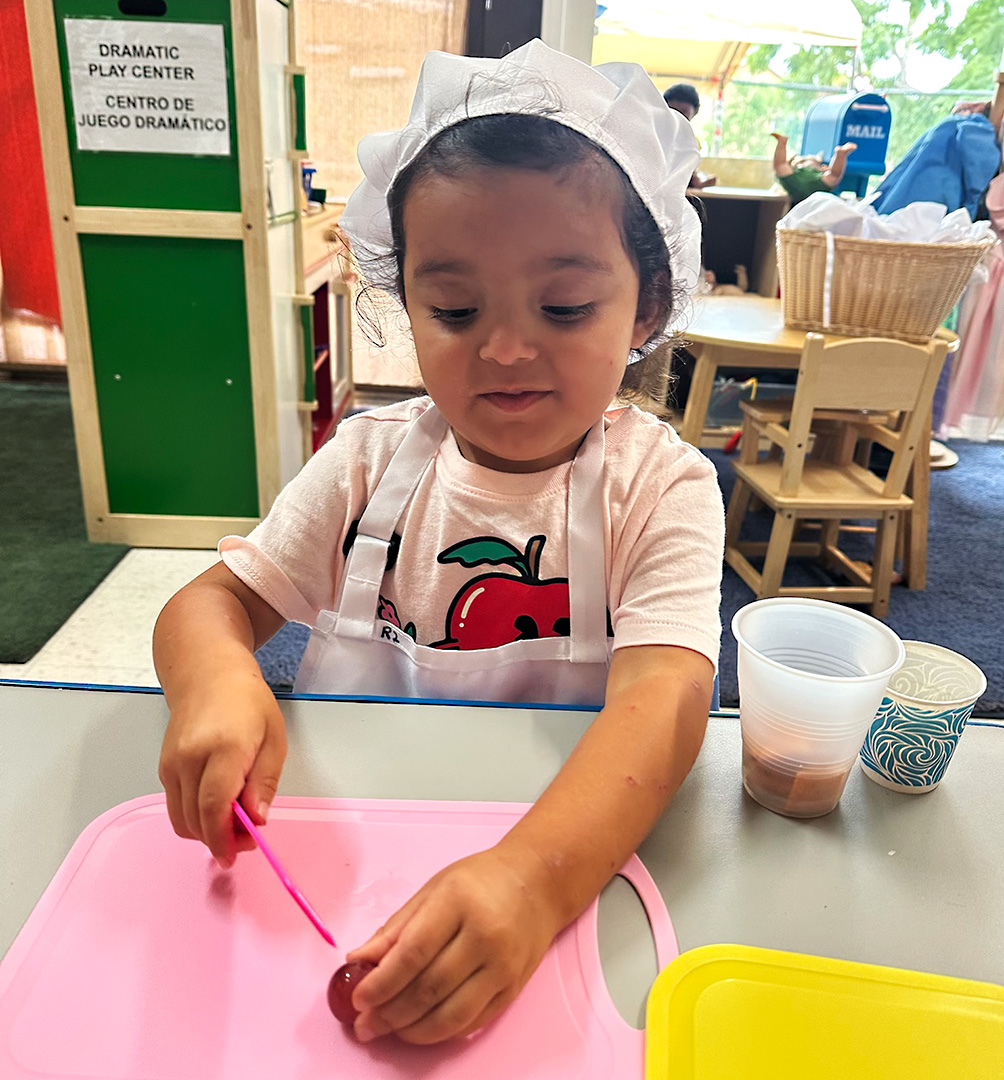
- Creativity and Imagination: Play lets children express their creativity, whether it’s through art, role-playing, or building something with their hands. This builds confidence and inspires innovation.
- Emotional Regulation: Play allows children to work through their emotions in a safe environment, teaching them how to manage their feelings and express themselves appropriately.
- Physical Growth: Many play-based activities, such as climbing, running, and dancing, help develop fine and gross motor skills, enhancing physical health.
Play is essential to a child’s development and should be an integral part of their early education. By combining play with structured learning, Children of the Rainbow ensures children are well-prepared for the challenges of tomorrow.